Each layer adds context the one before it could not provide.
Operational data, documents, communications, video and real-world activity enter continuously — no migration, no rewrite.
Enterprise systems and records
Documents, manuals and SOPs
Email and collaboration
Operational images and video
When a technician investigates a failure or a financial team examines an unexpected cost, the answer is rarely in one document. Facthory brings the work order, the incident report, the video, the SOP, the email and the earlier agent investigation together, preserving their relationships, chronology and evidence.

Map responsibilities, skills, contributions, subject-matter expertise and critical knowledge dependencies across the organization.
Understand formal procedures, actual process variants, handovers, approvals, exceptions and the reasoning behind consequential decisions.
Connect structured records and analytical data with the documents, communications and operational context required to interpret them.
Relate equipment, facilities, products, components and sites to their procedures, incidents, experts, suppliers and performance histories.
Make organizational policies, safety requirements, compliance obligations and access restrictions available to every authorized agent and workflow.
Connect recommendations and actions to their sources, reviews, corrections and resulting operational outcomes.
Traditional systems preserve the official version of a process. The most valuable knowledge often lives in what happens between those records: expert interventions, deviations, local decisions and the corrections that follow. Facthory learns from both the records of work and the work itself — documents, video, voice, agent plans and human corrections — so the model reflects how work is actually performed, not only how it was designed.

Interpret it against the people, processes and assets it touches.
Route the work to the right person or agent, with the evidence attached.
Record what the decision produced, including when it was wrong.
Feed corrections and results back so the next answer starts better informed.
Most enterprise AI is single-player: a private conversation, an answer, and a transcript no one else can meaningfully continue. That breaks down once agents undertake work that lasts hours or days and needs contributions from several people. Facthory makes agent work shared and organizational.
Invite colleagues and experts into the same running agent session and watch its plan, evidence and progress unfold in real time.
Escalate to an expert, route work between teams and agents, and require review before sensitive actions — all inside the same thread.
Decisions, artifacts and corrections are preserved and reused, so the next investigation starts further along.
The next generation of operational software will not manage employees alone. Enterprises will increasingly operate through a mixed workforce:

Provide expertise, judgment, creativity, responsibility and approval.
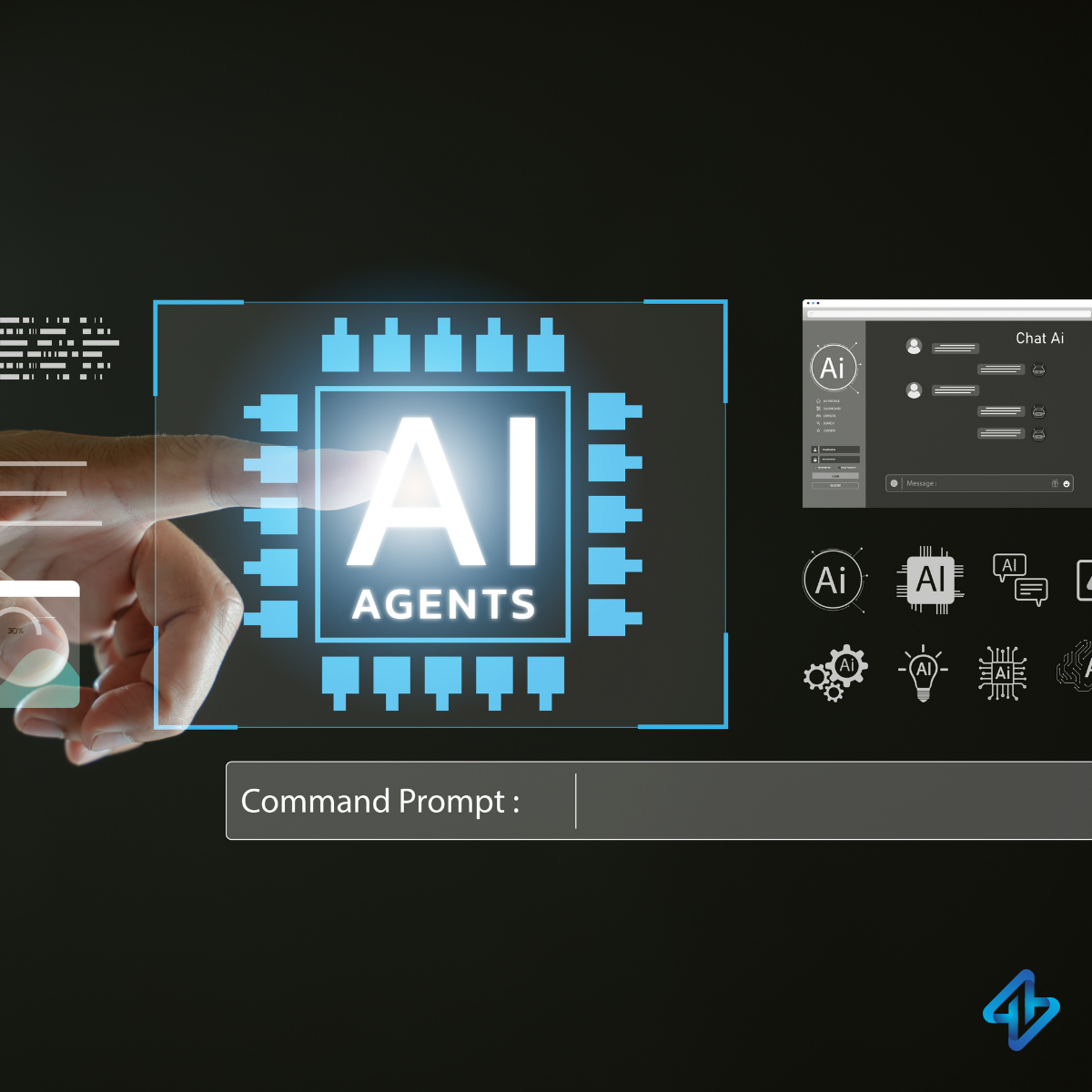
Research, analyze, plan, coordinate and execute long-running digital work.

Maintain authoritative records, enforce transactions and trigger operational events.

Observe and perform physical work through connected equipment, autonomous systems and robotics.
Facthory is building the operational intelligence layer for a workforce of people, AI agents, enterprise systems and machines.
Facthory securely connects the enterprise systems, repositories, data platforms and operational sources relevant to the selected use case.
Multimodal AI interprets documents, tables, communication, images, video, system events and technical information.
Facthory identifies entities and relationships across people, processes, systems, assets, locations, policies and outcomes.
People and agents research, analyze and coordinate work through shared sessions using the same governed organizational context.
New decisions, corrections, evidence and operational outcomes continuously improve the model and become available for future work.
Recognize when different systems, documents and conversations refer to the same person, process, asset, supplier, project or operational event.
Discover the terminology, domains, expertise areas and information structures that already exist inside the organization.
Preserve what changed, when it changed, who made the decision and which evidence was available at the time.
Connect text, tables, images, voice, video and technical assets within the same operational context.
Respect source permissions, organizational roles and workspace boundaries when information is retrieved or used by an agent.
Allow authorized agents and people to build on earlier investigations, validated findings, workflows and organizational decisions.
Maintain links between generated conclusions, source evidence, agent activity, human review and resulting actions.
Use corrections, approvals, failures and successful outcomes to improve the context available for future decisions.
A useful operational model must understand not only what is known, but what each person or agent is permitted to see and do. Facthory pairs shared context with enterprise identity and SSO, role- and workspace-based access controls, source-level permission enforcement, and full evidence and audit trails. Agents pause and route to a person whenever evidence is insufficient, information conflicts, or the decision needs sign-off.
These figures describe the market problem. They are not measured Facthory customer results.
of the global workforce is deskless
interruptions during an average working day
of leaders say their organizations already use agents to automate workflows or processes
of leaders prioritize expanding capacity with digital labor
Start with one high-value operational challenge. Facthory will connect the relevant sources, construct the required operational context and deploy a governed solution that can expand across your enterprise.